The Crisis of Election Credibility in Nigeria
Elections are the lifeblood of democracy, but in Nigeria they often come under siege from forces that threaten their credibility. Security lapses, violence, and systemic weaknesses undermine both the process and the confidence of the people. For a country with Africa’s largest population and one of its biggest economies, this is not just a domestic concern but a continental one.
The Security Problem
Election periods in Nigeria are historically volatile. Armed thugs, hired gangs, and in some cases, security operatives themselves have been implicated in disrupting polling. From ballot box snatching to intimidation at polling units, the basic right to vote freely is often contested not just politically but physically.
Weak policing, inadequate training, and political interference in security agencies compound the issue. Where security personnel are deployed, they are either overstretched or accused of partisanship. In rural communities especially, voters face intimidation without meaningful protection.
Violence as a Political Tool
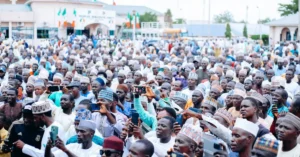
Electoral violence in Nigeria is not accidental, it is strategic. Politicians and their proxies often employ violence to suppress turnout in opposition strongholds or to create chaos that allows manipulation of results. This violence isn’t just about clashes on election day; it starts long before, through threats, assassinations, and attacks on political gatherings.
The consequences go beyond lost votes. Violence creates a culture of fear that dissuades citizens from participating in democracy at all. It silences voices, especially women and youth, who are most vulnerable to threats.
The Integrity Question
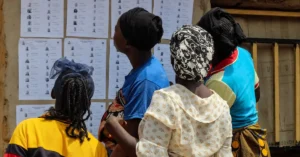
At the heart of Nigeria’s election crisis is the question of integrity. Even when votes are cast, citizens often doubt whether those votes will count. Violence and insecurity worsen this distrust because they distort outcomes and erode legitimacy.
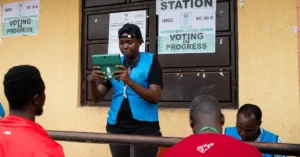
The introduction of technologies like the Bimodal Voter Accreditation System (BVAS) and electronic transmission of results has been a step toward transparency, but their effectiveness depends on trust in the institutions running them. When violence mars the process, even the best technologies cannot shield the system from doubts.
The Way Forward
For Nigeria to strengthen its democracy, three steps are crucial:
- Reform and Independence of Security Forces: Security operatives must be insulated from political pressure and held accountable for neutrality. Training and deployment must focus on voter protection, not intimidation.
- Early Prevention of Violence: Election security cannot be reactive. Intelligence gathering, conflict mediation, and sanctions against politicians who sponsor violence must become standard practice.
- Building Public Confidence: Transparent communication, reliable technology, and swift prosecution of offenders are key to convincing Nigerians that elections reflect their will.
Conclusion
Security, violence, and election integrity are inseparable in Nigeria’s democratic journey. Without addressing the first two, the third remains unattainable. For citizens to trust the ballot, they must first feel safe casting it. Only then can elections fulfill their role as the foundation of Nigeria’s democracy rather than its weakness.