The Question of Electoral Credibility in Nigeria
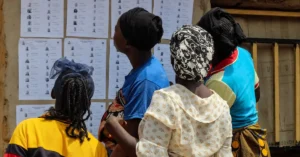
Every election season in Nigeria comes with familiar rituals: long queues at polling units, arguments over INEC’s preparedness, WhatsApp groups buzzing with results before the official announcements. But beneath the noise, one question hangs heavy in the air: Do Nigerians actually believe in the credibility of their elections? And do they see their leaders as legitimate once the dust settles?
Credibility or “Credibility”?
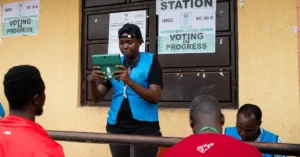
For many Nigerians, the credibility of an election begins and ends with how well INEC manages the process. In 2023, INEC promised that its new Bimodal Voter Accreditation System (BVAS) and electronic result transmission would end the era of rigging. Nigerians bought into the promise. But when results trickled in late and uploads failed on election night, suspicion set in. The commission’s explanation of “technical glitches” only deepened public doubt.
Security was another sore point. Reports from Lagos, Rivers, and parts of Kogi told of thugs intimidating voters, especially in neighborhoods seen as opposition strongholds. Videos of ballot snatching and disrupted polling units spread across Twitter and TikTok in real time. For those on the ground, credibility was gone the moment voters were forced to flee for safety.
Legitimacy Beyond the Ballot
Winning an election in Nigeria doesn’t automatically translate to legitimacy. After the 2023 presidential vote, opposition parties challenged Bola Tinubu’s victory in court, citing irregularities and INEC’s failure to follow its own rules. The Supreme Court eventually upheld his win, but the judgment did little to silence critics who felt the process had betrayed the people’s will.
Even at the state level, legitimacy hangs by a thread. In Kano, the tribunal initially nullified Governor Abba Kabir Yusuf’s election before higher courts restored him. Each legal battle left citizens asking: are we choosing our leaders, or are the courts doing it for us?
Still, legitimacy isn’t frozen on election day. It can grow or shrink depending on governance. If newly elected officials deliver on jobs, security, and infrastructure, legitimacy strengthens. If they fail, Nigerians quickly dismiss them as products of a broken system.
Cynicism vs. Hope
There’s no denying the cynicism. Many Nigerians now dismiss elections as “selection,” convinced the system is rigged for the elite. But the turnout of young voters in 2023 showed a different story. Movements like the “Obidient” wave around Peter Obi electrified youth and first-time voters, proving Nigerians still believe change can come through the ballot box, if only the process is fair.
Social media also became an election watchdog. From live-streamed polling incidents to instant fact-checks, Nigerians used their phones as tools of resistance. When INEC delayed results, it wasn’t press conferences that shaped public opinion, it was trending hashtags.
The Nigerian Verdict
So, how do Nigerians perceive election credibility and legitimacy? The short answer: with cautious eyes. We want to believe. We try to believe. But we’ve been burned too many times to give blind trust. Every late-starting poll, every ballot snatching, every court judgment that seems politically tilted chips away at faith.
Still, the hunger for credible elections is alive. Nigerians know democracy isn’t perfect, but they also know it’s worth fighting for. And that fight, for elections that truly reflect the people’s will, is far from over.