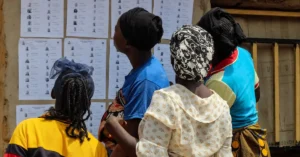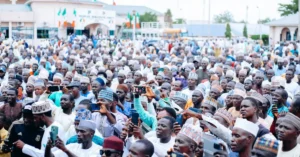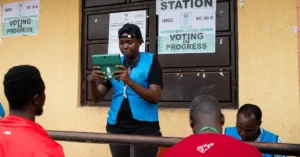
Nigeria’s elections have always carried heavy weight. They’re moments when millions line up with hope that their votes can shape the country’s direction. But alongside that hope is a darker, persistent reality: vote buying.
It’s not new. From the return to democracy in 1999 down to the most recent polls, the stories are the same. Politicians hand out cash, food items, wrappers, even recharge cards, all in exchange for votes. In rural communities, it may be bags of rice. In the cities, it’s crisp ₦500 or ₦1,000 notes slipped into palms at polling units. Everyone knows it’s wrong, but it continues.
Why It Happens
Vote buying thrives because poverty is real. For many Nigerians struggling to feed their families, that small cash on election day feels like a lifeline. Politicians exploit this. Instead of investing in real policies, they invest in vote-trading machinery. It becomes cheaper for them to buy loyalty with short-term giveaways than to build trust through long-term governance.
There’s also weak enforcement. Electoral laws ban vote buying, but arrests are rare and prosecutions almost nonexistent. Security agents are often compromised, and some even look away while the exchanges happen in broad daylight.
The Impact
The damage is deep. First, it undermines democracy. Elections stop being about ideas and start being about who has the fattest wallet. Competent leaders lose out because money politics overshadows merit.
Second, it keeps corruption alive. Politicians who spend millions buying votes see it as an investment, one they must recover once in office. That recovery usually comes through looting public funds or ignoring the people they’re meant to serve. The cycle repeats: bad governance fuels poverty, and poverty makes citizens vulnerable to the next round of vote buying.
Most painful of all, it erodes faith. Ordinary Nigerians begin to believe elections cannot produce change, that the system is permanently rigged by cash and coercion. When that trust dies, democracy itself is at risk.
Can It End?
There’s no easy fix, but it can be reduced. Real enforcement is key, making examples of vote buyers and sellers through open prosecutions. Stronger civic education is also vital, reminding citizens that a ₦1,000 note today costs them four years of poor roads, bad schools, and failed hospitals.
Technology like BVAS (Bimodal Voter Accreditation System) has helped curb rigging, but it cannot fight vote buying alone. The real change must come from both institutions and citizens. Nigerians must start to reject the idea that their votes are for sale.
Closing Thought
Vote buying is more than an election day problem, it’s a mirror of Nigeria’s bigger struggles with poverty, corruption, and accountability. Until the cycle is broken, our elections will remain tainted, and the promise of democracy will keep slipping through our fingers.
But every election is also a chance to do better. If we demand more and refuse to trade our future for quick cash, the story of Nigeria’s democracy can still change.